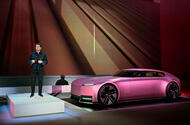
We look back at the designer’s best and worst moments following his shock departure from JLR
After 21 years, influential British designer Gerry McGovern has left JLR.
Following Autocar’s shock report that his position as chief creative officer was terminated on Monday, he leaves behind an expansive legacy,
This includes having reinvented the Land Rover brand into what it is today.
McGovern’s time at the British car maker will be remembered for his repeated hit designs – although there were also a small few that didn’t go down quite so well. We take a look.
Greatest hits
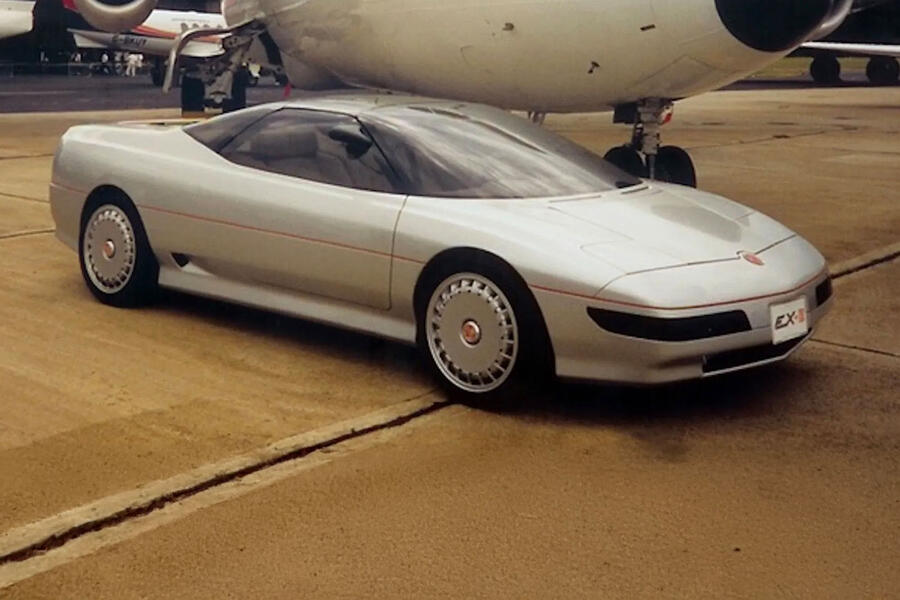
MG EX-E
Just as MG was dying, a supercar-shaped, Metro 6R4-engined concept car dropped.
Designed by a young Gerry McGovern, overseen by Roy Axe, it was supposed to evoke Italian exotica of the time, yet the smooth shape still looks modern today.
It was penned with production a possibility but unfortunately it never made it onto the road.
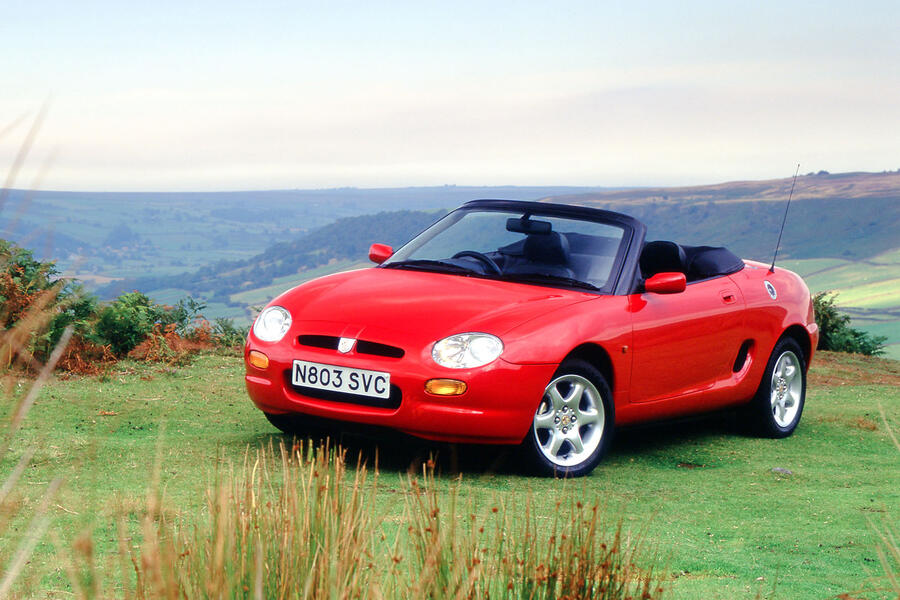
MG F
At least the EX-E went on to inspire a new mid-engined MG sports car.
The F proved a hit, remaining the UK’s best-selling convertible for seven years, before morphing into the TF in 2002.
It may not have saved MG Rover, but it gave us something to miss when the company went under.
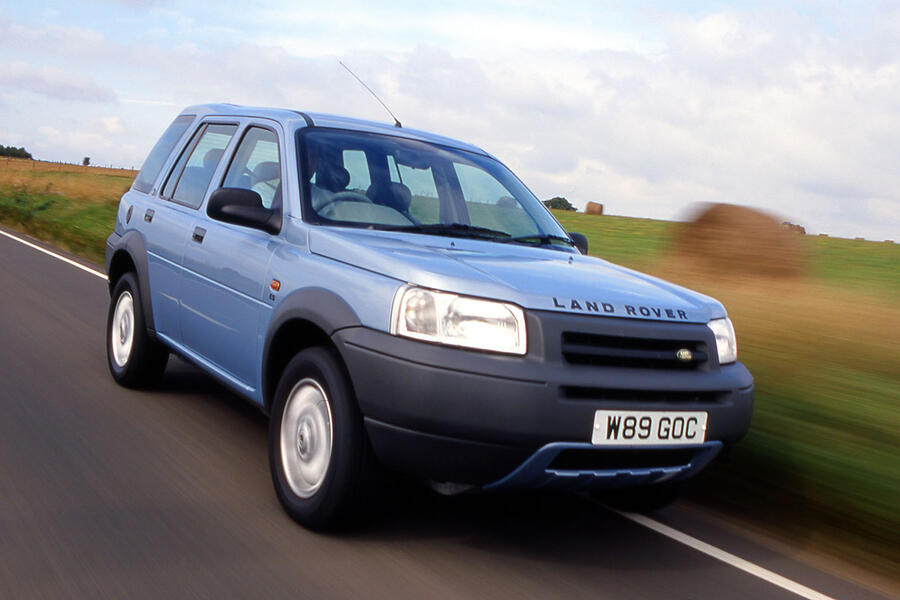
Land Rover Freelander 1
McGovern designed this pioneering compact SUV, which showed that a family-friendly 4×4 could perform far better than rivals off-road and on-road and provided Land Rover with much-needed sales success.
Launched in 1997, it became Europe’s top-selling 4×4 for the next five years.
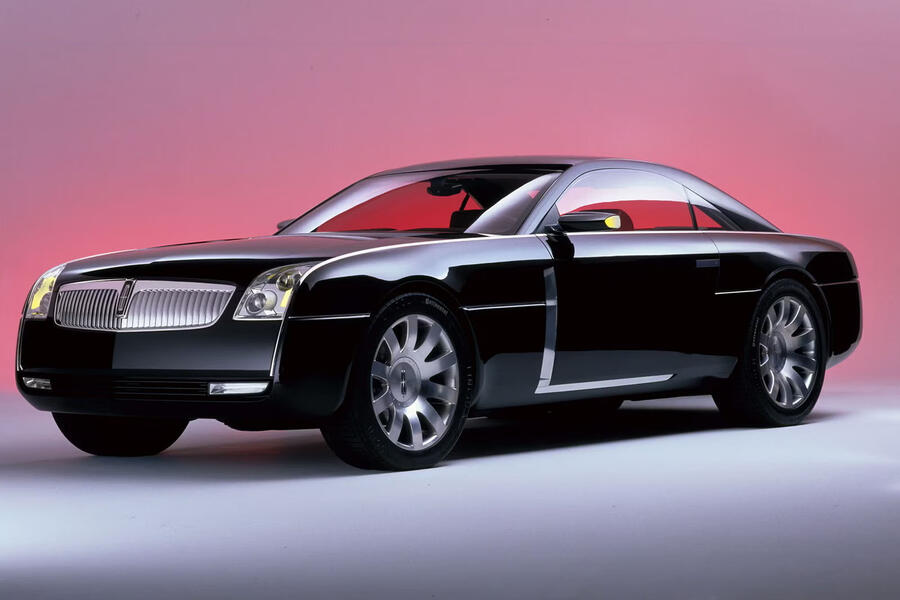
Lincoln Mk9
In a brief stint working for Ford’s Lincoln and Mercury brands in the US, McGovern never actually designed any production cars. Instead, his hand fell exclusively to a few concepts, including the very well-received Mk9.
It was too dramatic to be built, but its cues lived on in a few later models – which is more than can be said of the Mercury Messenger he also drew.
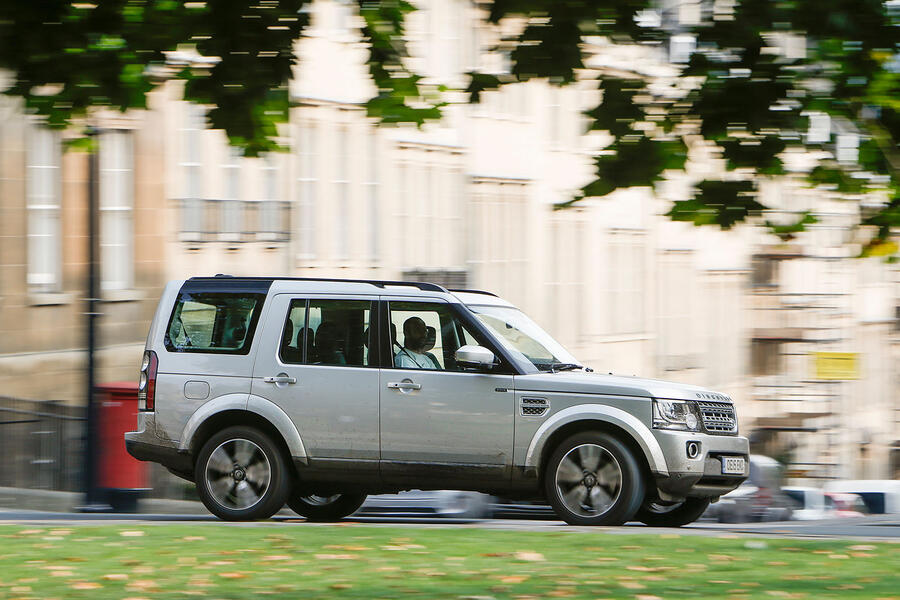
Land Rover Discovery 4
When McGovern returned to Land Rover, his conviction that its vehicles should be more prestigious was reflected in his prompt upgrades to the Discovery 3, which subsequently performed better in export markets. The philosophy was then adopted across the whole range.
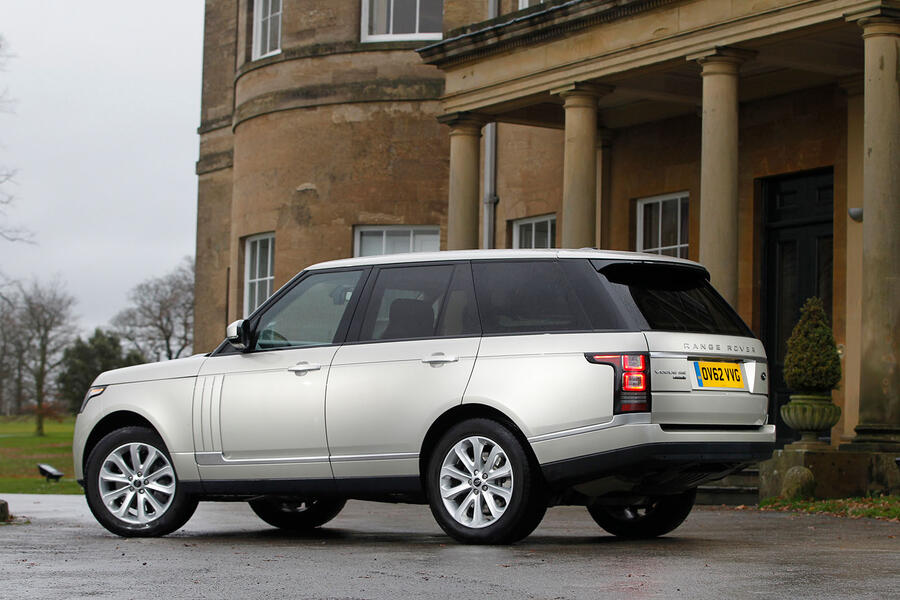
Range Rover L405
Following the Julian Thompson-designed Range Rover Evoque, the fourth-generation Range Rover also took on a swoopier look.
Alongside a lighter aluminium construction, the more aerodynamic design dramatically improved efficiency, while all of the off-road ability was kept.
It was a dramatic change, but the L405 was still unmistakably a Range Rover.
Land Rover Defender
This was the car that JLR was scared to build. The successor to the 1983 legend, multiple prototypes and concepts were created before McGovern and his team settled on the design we first saw six years ago.
The most rugged design in the current Land Rover stable, it has proved a massive hit, consistently selling more than 100,000 units each year.
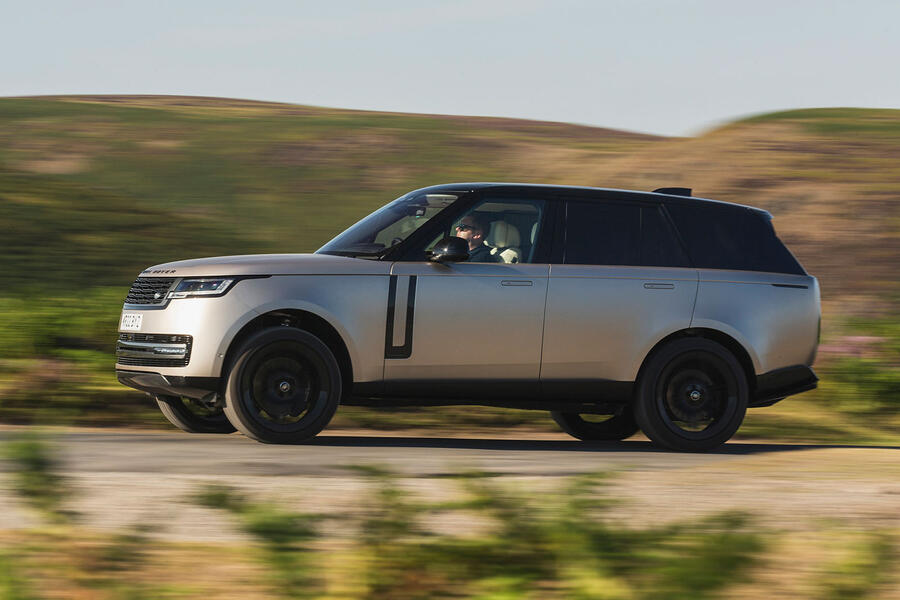
Range Rover L460
Considering the L405 still looked fresh, McGovern had his work cut out in making the latest Range Rover stand out. He succeeded, though, taking minimalism to the max with flush door handles, hidden tailights, very few creases in the bodywork and windows without visible frames. As such, the Range Rover remains on top of the SUV design game.
Greatest misses:
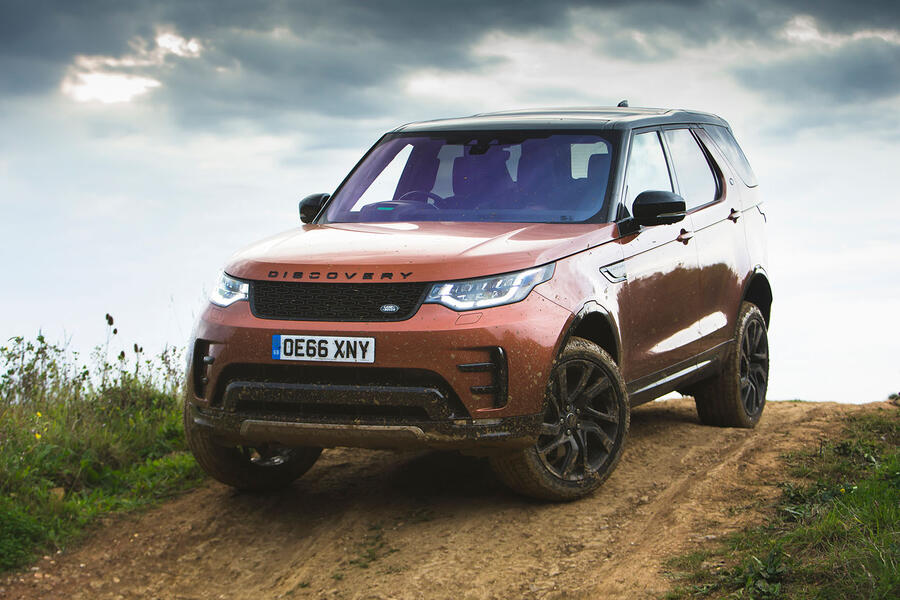
Land Rover Discovery 5
In stark contrast to the rugged and chiselled Discovery 3 and 4, the 5 was positioned as a more on-road-focused, sleeker proposition.
While this worked with almost all of McGovern’s previous designs, it ended up diluting the essence of the Discovery brand, scaring customers away.
The big hoo-ha focused on its offset rear numberplate, though, which the aftermarket quickly found a fix for.
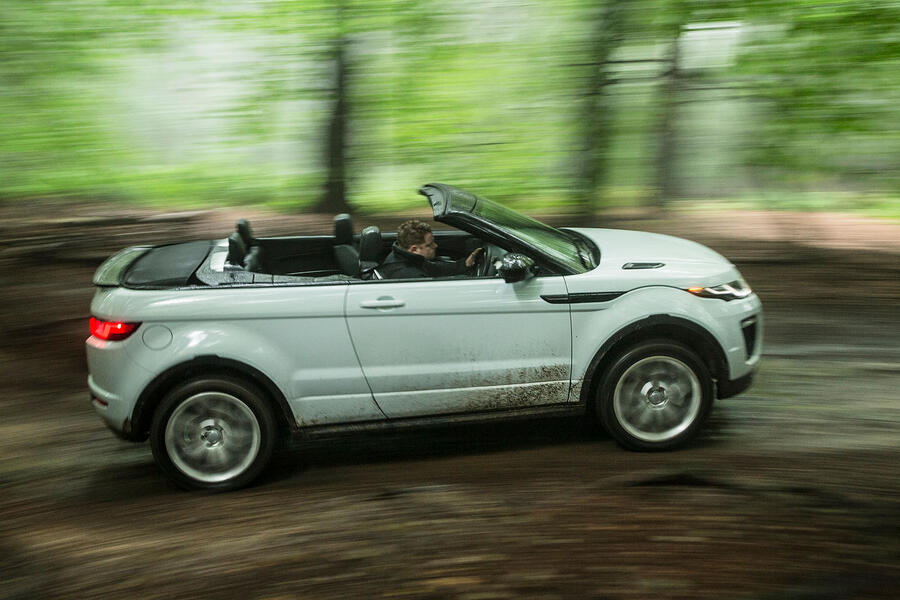
Range Rover Evoque Convertible
Although McGovern is often credited with the design of the original Evoque, it was actually penned by Julian Thompson. However, he did do the 2016 Convertible version, which was a sales flop with an awkward-looking rear three-quarter angle.
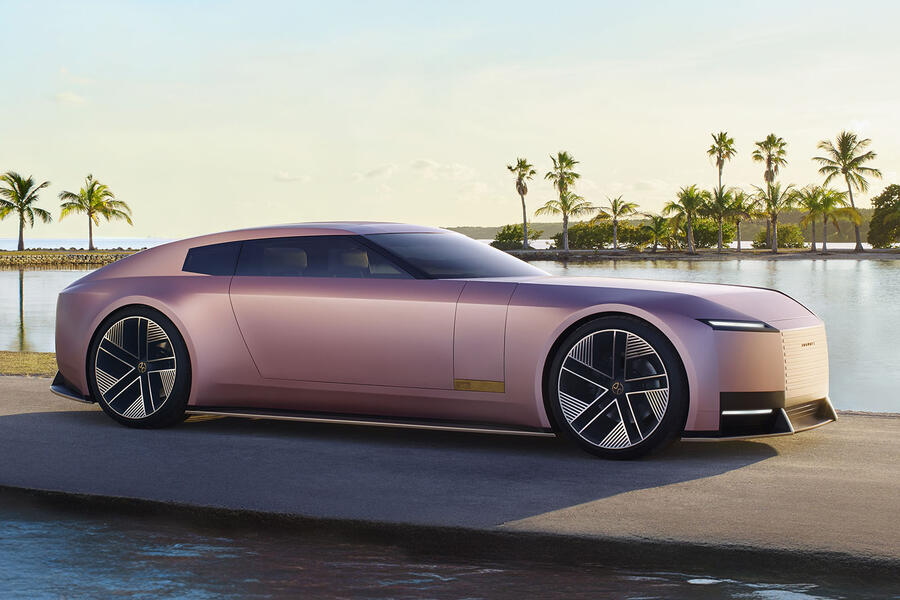
Jaguar Type 00
This concept pushed the boundaries of car design and in doing so pushed the boundaries of the previously traditional Jaguar brand.
It went viral online and even made the six o’clock news, although arguably for all the wrong reasons. It was widely criticised for its overly bold, futuristic shape, and the ad campaign used to back it up fell on deaf ears.
The whole rebrand seemed to alienate loyal Jaguar customers without bringing a whole lot of anticipation for its future as an electric-only luxury car maker.
Source: Autocar
