In January 1986, General Motors paid £22.75 million for 58% of the Lotus’s shares
After the death of founder Colin Chapman in 1982, Lotus was in dire straits financially. Thankfully for all us petrolheads, it was saved by British Car Auctions chief David Wickens.
He quickly recruited more investors and, with Hethel veteran Mike Kimberley remaining as CEO, Lotus returned to profit in 1984. However, the bosses recognised that they couldn’t muster the resources to rejuvenate Lotus’s ageing road car range and so sought a richer buyer.
The buyer they snared could hardly have been richer. Following 10 days of negotiations in January 1986, General Motors paid £22.75 million for 58% of the shares – just one day’s cashflow for what was the world’s biggest car company.
In essence, the Americans wanted to use Hethel as a cheap and rapid R&D and engineering facility – but, to widespread relief, Lotus would remain independent, rather than be absorbed into the mass.
“For perhaps the first time in its 30-year history, Lotus can look forward to an assured future,” said Autocar, but Kimberley urged caution: “We have got to prove ourselves to GM’s main board.
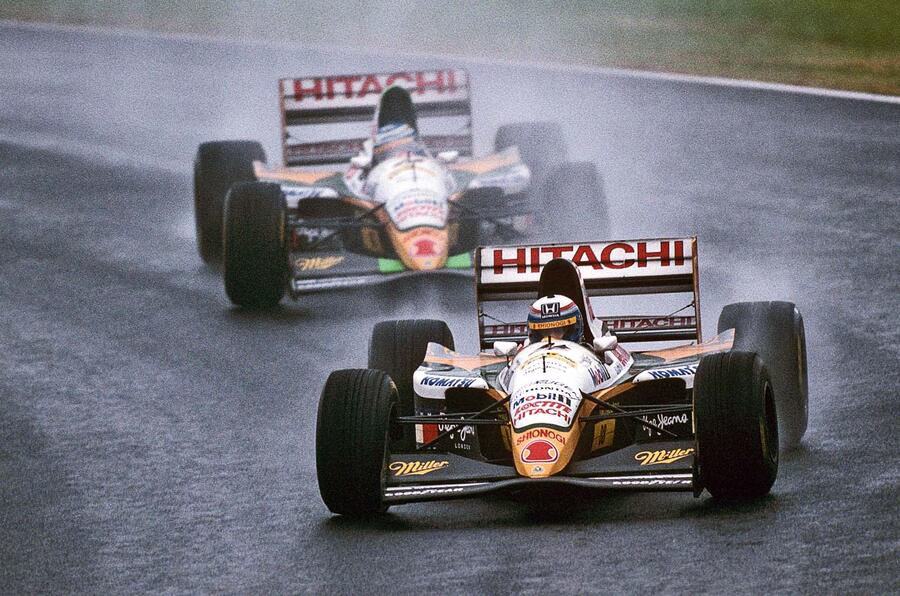
Yes, it will make life easier, but we have got to stand on our own two feet. We have a very, very secure future and the staff is over the moon about it. There are no job uncertainties and no problems over resources, so long as we can justify them.”
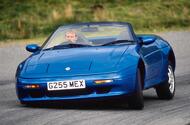
A three-point, 10-year strategy was agreed. The main goal was a return of the affordable roadster – a project begun under Chapman in 1981. Codenamed M90, then X100, then M100, the car was scheduled to go on sale as a reborn Elan in early 1989, following “a major restyle and technical rethink”.
Enjoy full access to the complete Autocar archive at the magazineshop.com
The secondary goal was replacing the dated Excel with a Ferrari Testarossa-rivalling supercar, the Etna, which would use an in-house V8 and cutting-edge active suspension. And then there was “expansion of the engineering consultancy business, plus contract design and production of special editions for other manufacturers”.
Annual production was to grow tenfold to 5000 by the early 1990s and staff to 1200 after a new site had been built in Humberside, Ireland, Austria, the Netherlands or Canada.
“You have no idea how good it felt to be able to put together a six-year plan knowing we should be able to see it through without a financial crisis,” Kimberley told us.
In January 1990, our road testers declared: “For all their common roadster appeal, there is a gulf between the [FWD] Elan and [new] Mazda MX-5 in dynamic ability, one that the biggest price differential imaginable couldn’t in the end fully compensate for. This is the extent of Lotus’s achievement. The Mazda is a mere supporting act to the main event.” Yeah, no.
While the MX-5 was oversubscribed, nobody wanted the Elan – particularly in the vital American market. So after not even two years, Lotus abandoned its baby.
“The 3000-a-year volume at the time was sound, perhaps slightly optimistic. The car could have worked had it not been for the [US] recession,” Kimberley told us. “There has been no pressure to make this announcement. GM is determined never to pull the plug on Lotus. The business was literally going nowhere and we had to stop the bleeding.”
Former chairman Alan Curtis, who had masterminded the 1986 sale, added: “Lotus thought it could walk on water. We convinced GM we could. But not too many people can do that. Left to me, the Elan would never have been built. It provided nothing but heartache.
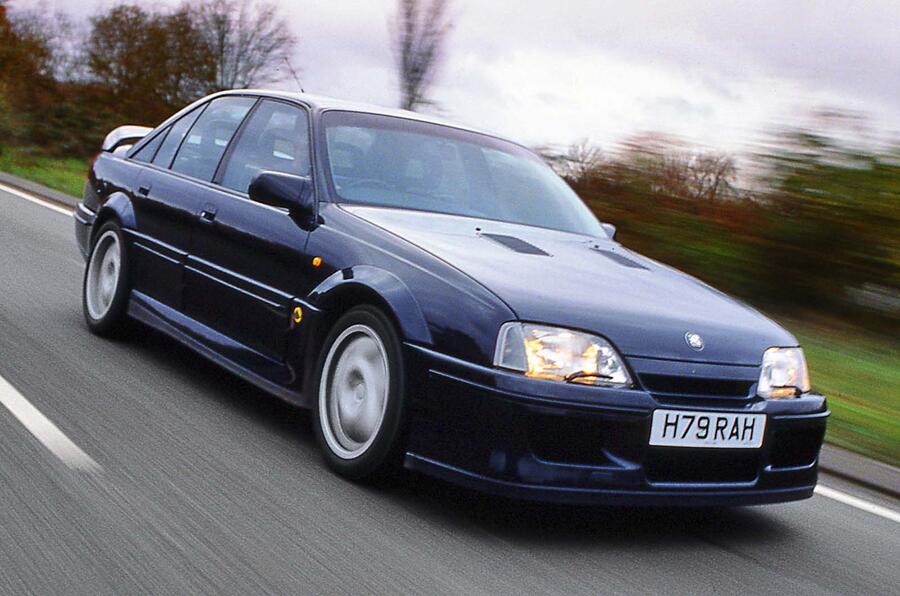
“With the benefit of hindsight, GM left us alone too much. We didn’t ask for help; we should have done so five years ago.” Despite its world-beating status, the Opel/Vauxhall Lotus Carlton had also failed to hit expectations and so was retired early, leaving Lotus with only the old Esprit.
“Something has gone appallingly wrong,” we lamented. “Lotus must bear its share of the blame – but the ultimate responsibility for the Elan’s demise lies at the very top.”
And then GM decided to do what it had supposedly been determined not to do. “We’ve got to get the basic core of Lotus stabilised before we can move forward,” its Europe boss told us. “We’ve already lost a lot of money [writing off £54m] and a new model will need money soon.”
A management buyout was tried but GM instead sold to Italian start-up Bugatti for a reported £30m. And as we all know, no calamity befell poor little Lotus ever again…
Source: Autocar
